Ant Removal

Ants are highly adaptable and persistent pests that frequently invade homes and businesses in search of food, water, and shelter. While some species are primarily a nuisance, others can cause significant property damage, contaminate food sources, or inflict painful stings.

Speak with an Expert
Pavement Ants

What do these Ants look like?

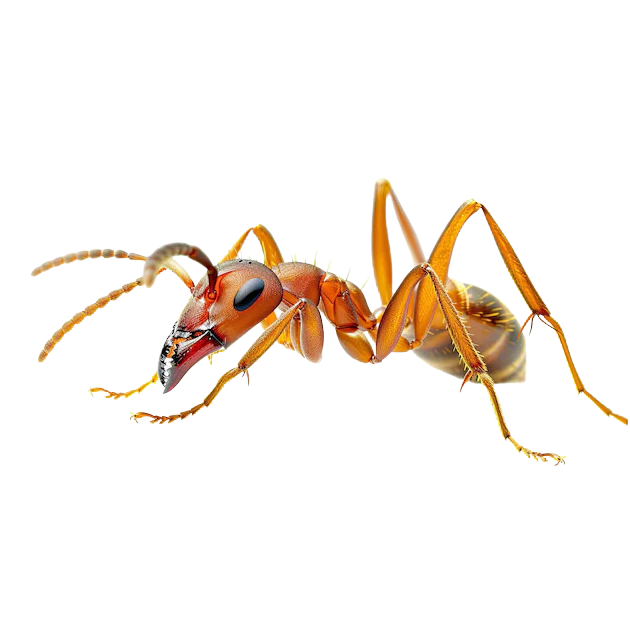
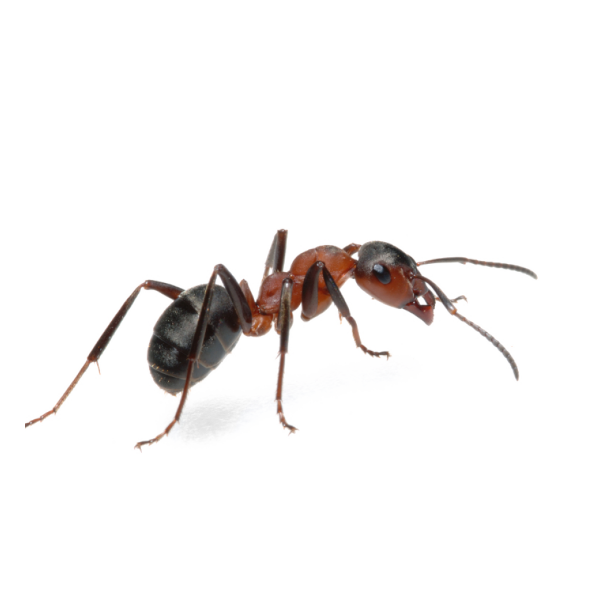
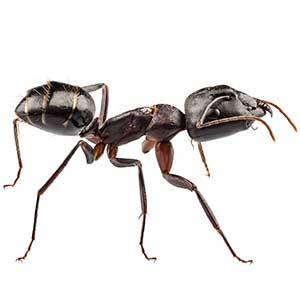
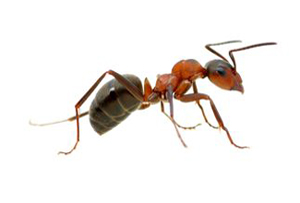
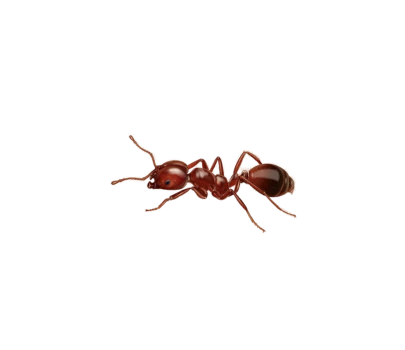
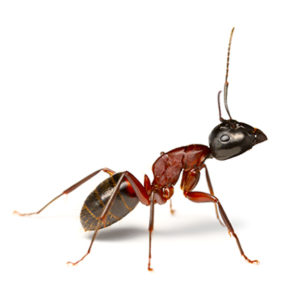
Like other insects, ants have six legs, each with three joints. They possess large heads with compound eyes, elbowed antennae, and powerful jaws. Because there are many species with unique behaviors and nesting habits, identifying them accurately is key to managing their presence. Below are the most common types of ants homeowners encounter.


Little Black Ant

Little black ants are social insects that live in large colonies, often consisting of thousands of workers and multiple queens. Because of their small size, they can easily infiltrate homes through tiny cracks and crevices in search of food. They are particularly drawn to sugary and greasy foods, making kitchens and pantries their primary targets. Once they establish a scent trail, they will continue returning to the same food source.

While they do not pose a direct health risk, they can contaminate food and become a nuisance due to their persistent foraging behavior. DIY treatments like bait traps and sealing entry points can help control minor infestations, but since colonies spread quickly, professional pest control is often necessary to eliminate them at the source.

  • USUALLY FOUND IN: Homes, kitchens, walls, sidewalks, and under rocks or logs
  • FEEDS ON: Sweets, proteins, grease, and other household food scraps
  • BITES/STINGS: Does not sting; rarely bites, but not harmful to humans
  • SIZE/COLOR: 1.5 mm in length; black or dark brown
  • SEASON: Active year-round but more common in spring and summer
  • TREATABLE AT HOME: Small infestations can be managed, but professional treatment is recommended for larger colonies


LIttle Black Ant
Pharaoh Ant

Pharaoh Ant

Pharaoh ants are known for their ability to form massive colonies with multiple queens, making them one of the hardest ant species to eliminate. Unlike many other ants that establish a single nest, Pharaoh ants create multiple satellite colonies, which allows them to spread quickly throughout a building. This makes DIY treatments ineffective, as disturbing the colony can cause it to split and relocate rather than be eradicated.

These ants are particularly problematic in hospitals, restaurants, and apartment buildings, where they can contaminate food and surfaces. They can pose health risks by spreading bacteria such as Salmonella and Streptococcus. Professional pest control using specialized baiting strategies is required for complete removal.

  • USUALLY FOUND IN: Homes, hospitals, restaurants, apartments, and commercial buildings
  • FEEDS ON: Sweets, proteins, grease, dead insects, and household food scraps
  • BITES/STINGS: Does not sting; rarely bites, but not harmful to humans
  • SIZE/COLOR: 1.5-2 mm in length; yellow to light brown with a darker abdomen
  • SEASON: Active year-round, especially in heated indoor environments
  • TREATABLE AT HOME: Difficult to control without professional treatment due to their complex colony structure

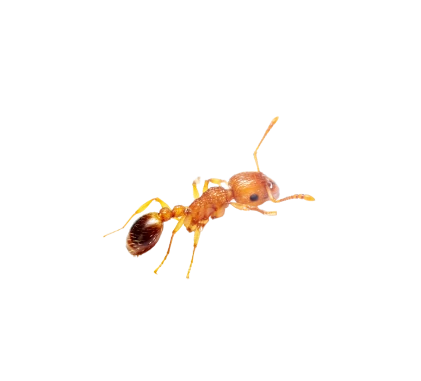
Thief Ant

Thief ants get their name from their unique behavior of nesting near larger ant colonies and stealing their food and developing larvae. Because of their small size and light color, they are often mistaken for Pharaoh ants, but they have different diets—Thief ants are heavily drawn to high-protein and greasy foods rather than sweets.

Although thief ants do not sting and are too small to bite, they pose a health risk by contaminating food packaging with bacteria. Their tiny size makes traditional pest control methods like sprays ineffective, as they can easily bypass standard treatments and rebuild their colonies in deep, hidden wall voids.

  • USUALLY FOUND IN: Kitchens, pantries, wall voids, and near other ant colonies
  • FEEDS ON: Highly attracted to grease, proteins, dead insects, and other ants’ larvae
  • BITES/STINGS: Does not sting; too small to bite humans
  • SIZE/COLOR: 1-1.5 mm in length; pale yellow to light brown
  • SEASON: Active year-round, especially indoors in warm environments
  • TREATABLE AT HOME: Difficult to eliminate due to hidden nests; professional treatment is recommended


Thief Ant
Argentine Ant

Argentine Ant

Argentine ants are notorious for their ability to form “super colonies,” meaning multiple nests can work together as one massive infestation. Unlike other ant species that compete for territory, Argentine ants cooperate, allowing their populations to grow rapidly. This makes them incredibly difficult to control once they establish themselves inside or around a property.

They are particularly drawn to kitchens and pantries, where they forage in long trails following pheromone paths. Outdoors, they build nests in soil, under rocks, and near buildings, often moving indoors during hot or rainy weather. Since disturbing their nests can cause them to split and spread further, DIY treatments like sprays often make infestations worse.

  • USUALLY FOUND IN: Homes, kitchens, walls, gardens, sidewalks, and under rocks or logs
  • FEEDS ON: Sweets, proteins, plant secretions, and household food scraps
  • BITES/STINGS: Does not sting; may bite, but not harmful to humans
  • SIZE/COLOR: 2.5-3 mm in length; dark brown to black with a shiny body
  • SEASON: Active year-round, especially in warm climates
  • TREATABLE AT HOME: Difficult due to large colony size; professional treatment is recommended


Odorous Ant

Odorous ants occasionally come inside in search of water, particularly during dry periods. In this case, you may see them in bathrooms or other humid parts of the house. Heavy rains can also cause ant nests to flood and force them to relocate into nearby buildings. Inside, they may be found near their food sources, moisture, and in hidden, protected places like wall voids, under appliances, behind window frames, and beneath floors.

  • USUALLY FOUND IN: Wall voids, under appliances, or outside in soil and mulch
  • FEEDS ON: Sweet materials, honeydew, and dead insects
  • BITES/STINGS: Does not sting; bites are rare and harmless
  • SIZE/COLOR: 2.4-3.3 mm / Uniformly brown or black
  • SEASON: Most active March to October
  • TREATABLE AT HOME: Can be managed with baits, but heavy infestations require professionals

Concerns: Contamination of human and pet foods is the primary concern, as ants can carry germs and disease from outside into your pantry. Because their colonies can grow to be quite large, it is important not to let an infestation get out of control.


odorous ants
pavement ants

Pavement Ant

Pavement ants often nest under sidewalks, driveways, and building foundations, alongside garages and houses, and parts of houses which are constructed on concrete slabs. A mound of displaced soil along a paved area is probably a sign of pavement ant activity. In the winter, they invade homes seeking food and shelter through small openings around windows and doors, basement walls, or concrete floors.

  • USUALLY FOUND IN: Houses with slab construction. Nests in soil, beneath concrete, or between walls
  • FEEDS ON: Grease, oil, insects, or sweet materials
  • BITES/STINGS: Bite (defensively)
  • SIZE/COLOR: 3-4 mm / Brown to black
  • SEASON: Late spring or early summer
  • TREATABLE AT HOME: Yes, by baits, dusts, and spray

Concerns: Over time they excavate dirt/sand while creating and expanding their tunnel system underneath driveways, sidewalks, and home foundations. Doing this erodes the support for interior garage pads and driveways, which in turn leads to them settling and cracking. If threatened, they also have the potential to sting.

 

Fire Ant

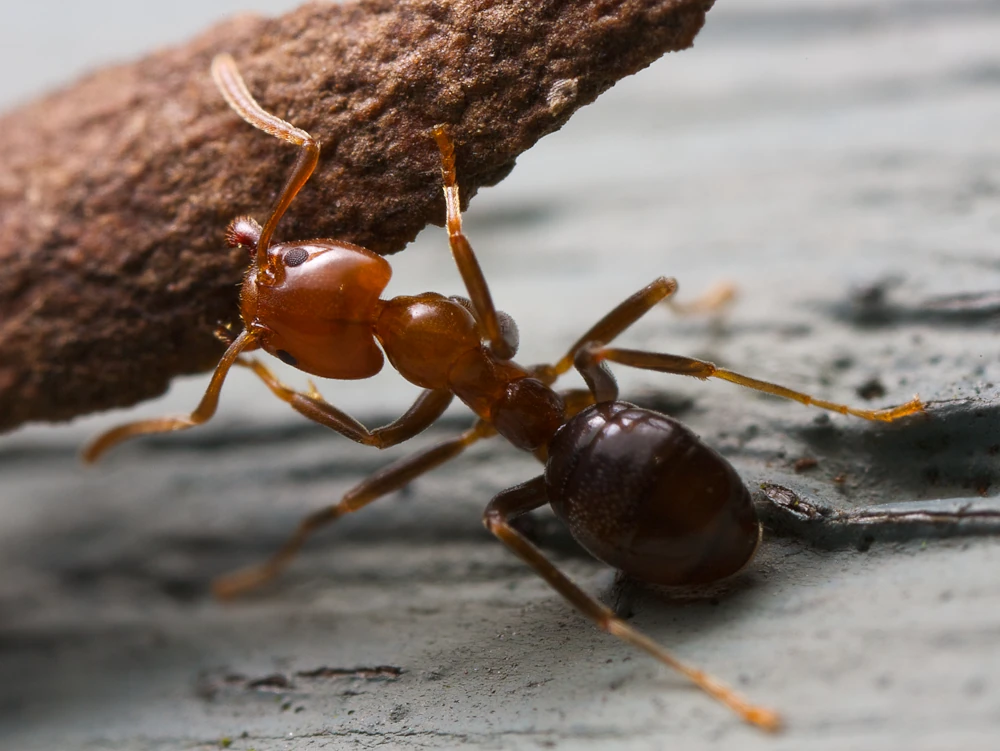
As with other species of ants, fire ants are opportunistic foragers and often wander inside residences to find sustenance and water. Due to the convenience of an indoor food source, fire ants may nest around the base of a home or commercial building.

  • USUALLY FOUND IN: very distinct, hard, dome-shaped mounds in the soil, which are easily recognizable.
  • FEEDS ON: Plants, shrubs, and trees
  • BITES/STINGS: Sting
  • SIZE/COLOR: 4-5 mm / Reddish brown
  • SEASON: March to October
  • TREATABLE AT HOME: Yes, by baits, dusts, and spray

Concerns: Imported fire ants inflict painful stings. A single fire ant can sting its target repeatedly. Susceptible individuals who have suffered painful stings caused by red imported fire ants usually experience physical health effects such as fever, dizziness, generalized urticaria, or other systemic reactions such as anaphylactic shock.


Fire Ant
carpenter ant

Carpenter Ant

There are two types of carpenter ant nests: parent colonies and satellite colonies. As well as tunneling in the trim of buildings, wooden steps, and window sills, ant colonies can nest in houses without attacking structural timbers, using hollow spaces like wall voids, attic spaces, and hollow doors.

  • USUALLY FOUND IN: Moist conditions in wood, doors, or wall voids
  • FEEDS ON: Other insects, plants, fruits, grease, or fats
  • BITES/STINGS: Rarely bite
  • SIZE/COLOR: 6-25 mm / Reddish brown or black
  • SEASON: Spring and summer seasons
  • TREATABLE AT HOME: Yes, by baits, dusts, and spray

Concerns: Carpenter ants do not eat wood like a termite does, but they do tunnel and burrow into wood to make nests. Over time, this will completely destroy the structural abilities of the wood. The damage they can eventually do if they’re not detected may lead to a home being destroyed for all practical purposes.


The Avayda Treatment Process

Avayda Pest Control Process Explained